
 5720 Bellaire Blvd # D, Houston, TX 77081, United States
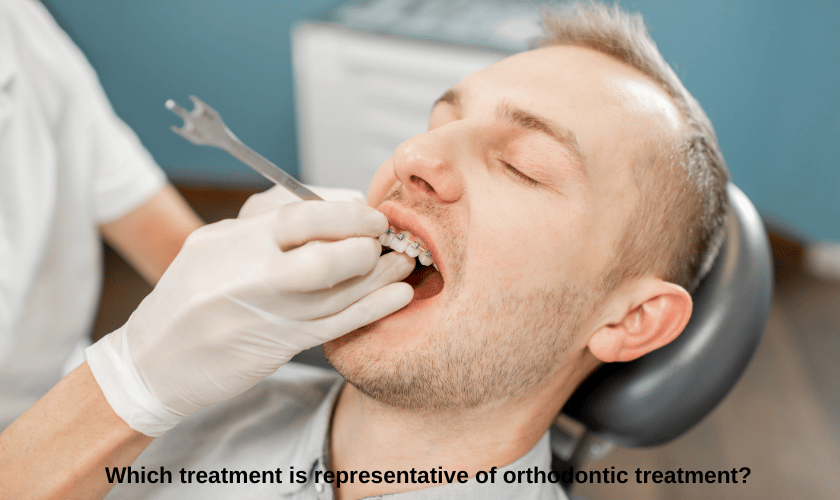
Orthodontic treatment is a type of dental care that can help straighten teeth, improve facial symmetry, and correct malocclusion (misalignment) of the jaw or bite. With orthodontic braces, retainers, and other devices, your orthodontist can help create an attractive smile with even teeth. But first, it’s essential to understand the different types of available orthodontic treatments.
Braces
Traditional Metal Braces
Traditional metal braces are the most common orthodontic treatment used today. These braces consist of metal brackets attached to each tooth and connected by a wire. Your orthodontist will periodically tighten the wire and adjust the braces to move your teeth into their correct position.
Ceramic Braces
Ceramic braces are made of transparent material less visible than traditional metal ones. They work similarly to traditional braces but blend more easily with your natural smile for a more discreet orthodontic treatment option.
Lingual Braces
Lingual braces are similar to traditional metal and ceramic braces, except they are placed on the inner side of the teeth, making them virtually invisible when you smile. The orthodontist will use the same tools to manipulate and adjust lingual braces as they do for other orthodontic treatments.
Retainers
Subheading 1: Fixed Retainers
Fixed retainers are orthodontic devices that work similarly to traditional braces but remain in place after complete orthodontic treatment. They are typically made from metal wires or clear plastic and attached to the back of your teeth, helping keep them aligned over time.
Removable Retainers
Removable retainers are orthodontic devices that can be removed and put back in at will. They usually consist of a plastic plate with metal wires that help keep your teeth aligned and can be easily removed when eating or cleaning your teeth.
Invisible Removable Retainers
Invisible, removable retainers are orthodontic devices made from transparent plastic material that fits snugly around the teeth. Unlike traditional orthodontic treatments, these retainers can be removed and put back in as needed without being noticeable.
Conclusion: Orthodontic treatment effectively corrects jaw or bite misalignment, creating an attractive smile with even teeth. Depending on your needs, orthodontists may recommend braces, fixed retainers, removable ones, or invisible, removable ones. By understanding the various orthodontic treatments available, you can decide which orthodontic treatment is right for you.
FAQs:
Q1: How do orthodontic braces work?
Orthodontic braces use metal brackets attached to each tooth and connected by a wire. The orthodontist will periodically tighten the wire and adjust the braces to move your teeth into their correct position.
Q2: Are ceramic braces more visible than traditional metal braces?
Ceramic braces are made of explicit material less visible than traditional metal braces, making them a more discreet orthodontic treatment option.
Q3: What are the benefits of orthodontic retainers?
Orthodontic retainers can help keep your teeth aligned over time and prevent orthodontic relapse following orthodontic treatment. Fixed retainers are usually made from metal wires or clear plastic and attached to the back of your teeth. At the same time, removable Invisible, removable orthodontic devices fit snugly around the teeth and can be taken out and put back in as needed without being noticeable.