
 5720 Bellaire Blvd # D, Houston, TX 77081, United States
Are you scared of visiting the dentist? Do you experience anxiety when getting dental work done? Sedation dentistry might be the answer. Sedation dentistry uses various medications to help reduce fear, pain, and anxiety during a dental visit. In this blog post, we’ll discuss how sedation dentistry works for patients and dental professionals so that you can make an informed decision about whether it’s right for you.
What is Sedation Dentistry?
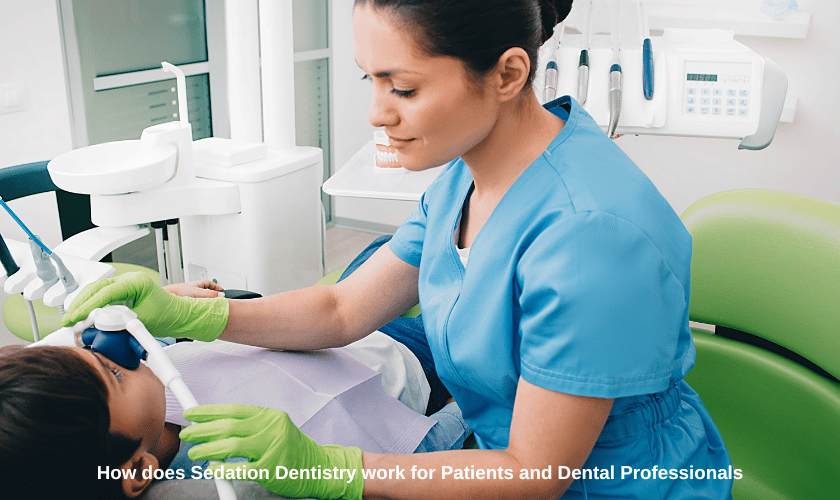
Sedation dentistry is a type of dental treatment where anesthesia or other medications help patients relax during their dental procedures. Sedatives can be administered through inhalation, oral medication, or an IV drip. Sedatives can help reduce fear and anxiety in patients who are extremely nervous about dental work. They can also relieve pain for those with a low tolerance for specific dental treatments, such as root canal therapy or wisdom teeth extraction. Sedation dentistry has become increasingly popular among patients and dentists due to its effectiveness in providing a comfortable experience during complicated procedures.
How Does Sedation Dentistry Work?
Sedation dentistry works by using sedative medications to relax the patient so that they are more relaxed during their visit. Depending on the procedure, sedatives can come in various forms, such as pills, inhalants, IVs, or injections. Sedation can be administered at different intensity levels depending on how anxious the patient is and how complex the treatment is. Sedatives are typically short-acting drugs that wear off quickly after the procedure is complete.
Benefits for Patients
Sedation dentistry provides many benefits to patients, including:
- Reduced fear & anxiety – Sedatives can help reduce fear and anxiety during dental visits by providing relaxation. This helps make it easier for patients to get through their dental procedures without feeling overwhelmed or scared.
- Pain relief – Sedatives also provide pain relief for those with a low tolerance for specific dental treatments such as root canal therapy or wisdom teeth extraction. Sedatives can help remove much of the pain associated with these procedures, making it easier for patients to get through them.
- Shorter visits – Sedatives can help reduce dental visits since they allow dentists to work more efficiently and quickly. This benefits both patients and dentists as it allows procedures to be completed faster and reduces the overall amount of time spent in the dentist’s chair.
Benefits for Dental Professionals
Sedation dentistry also provides benefits to dental professionals, including:
- Easier treatment – Sedatives can make complicated treatments much easier by allowing dentists to work more efficiently and quickly. Sedation can also make it easier for dentists to perform certain treatments that may otherwise be difficult for patients.
- Reduced risk of injury – Sedatives can help reduce the risk of injury during procedures as they help relax the patient, making it easier for dentists to perform their work without fear of causing harm.
- Increased satisfaction – Sedation dentistry can also increase patient satisfaction since it helps make dental visits more comfortable and relaxed. Patients will likely be happier if they can get through their treatments with minimal discomfort or fear.
Conclusion
Sedation dentistry effectively reduces fear and anxiety in those scared of visiting the dentist and provides pain relief for those with a low tolerance for certain dental treatments. Sedatives can come in various forms, such as pills, inhalants, IVs, or injections. They can be administered at different intensity levels depending on how anxious the patient is and how complex the treatment is. Sedation dentistry has become increasingly popular among patients and dentists due to its effectiveness in providing a comfortable experience during complicated procedures.
FAQs
- What type of sedatives are used for Sedation Dentistry?
Depending on the procedure, sedatives can come in various forms, such as pills, inhalants, IVs, or injections.
- Is Sedation Dentistry safe?
Yes, Sedation Dentistry is generally considered safe when it is administered by a qualified dentist who has received the proper training and understands how to use sedatives.
- How long does Sedation Dentistry last?
Sedatives are typically short-acting drugs that wear off quickly after the procedure is complete. The time it takes for the effects of Sedation Dentistry to wear off varies depending on the type and dosage of sedative used.