
 5720 Bellaire Blvd # D, Houston, TX 77081, United States
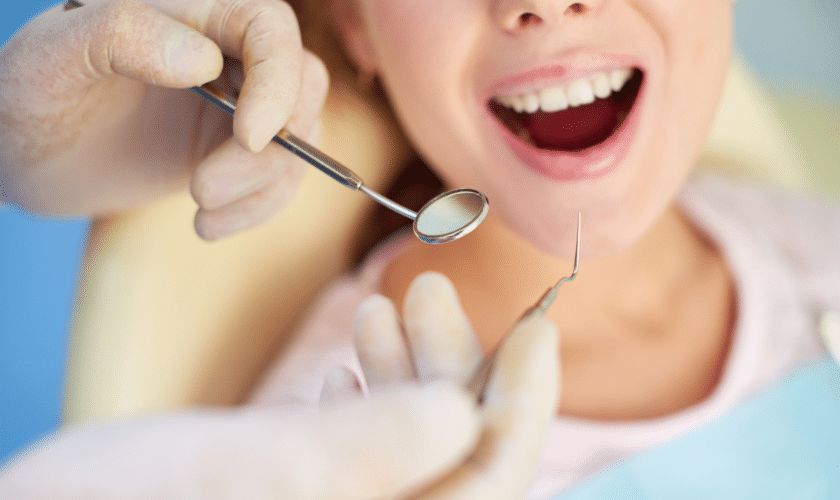
Dental health care is important for everyone. The teeth and gums are part of the body and require as much care as any other. You must brush and floss regularly so that plaque doesn’t build up on your teeth, or else you’ll get cavities. And if you have cavities (which can be painful), they can eventually lead to gum disease if left untreated long enough. Preventive dentistry is an important part of ensuring your body stays healthy in general—and it’s also a great way to save money! So let’s talk about why preventive care is important and how you can get started with your routine today:
The Importance of Preventive Care
Preventive dental care is important because it can help you avoid costly dental work in the future. By getting regular checkups and cleanings, you can catch potential problems before they become major ones. Preventive dental care also helps prevent cavities, gum disease, and other problems that could be painful and expensive to treat.
So why not just skip out on visiting your dentist altogether? Well, aside from the fact that skipping out on preventive care is generally a bad idea (and may even be illegal), there are some very real reasons why it’s worth making sure you take time for yourself every six months or so at the dentist’s office:
Benefits of Preventive Care
Preventive care is a lot cheaper than emergency dental care. If you’re in pain, it can be difficult to focus on the cost of your treatment and how much it will cost you in the long run. But if you’re proactive about taking care of your teeth and gums, then there’s no reason why preventive dental services shouldn’t be part of your routine.
If you’re lucky enough not to have any major health issues right now (and most people aren’t), preventive dental visits could help keep them from occurring. By visiting our office once every 6 months or so for routine cleanings and exams–as well as making sure that we know what kind of foods are causing problems with their teeth–patients can avoid serious problems down the road, such as tooth decay or gum disease which may lead them into more expensive treatments later on down the line! Not only does this mean fewer trips back here, but also less time spent feeling uncomfortable while they wait around until everything’s been fixed.”
How to Get Started With Your Own Preventative Dental Care Routine
The first step to a healthy smile is to see your dentist regularly. Dental visits are important for everyone, especially those with a family history of gum disease or other oral health problems. During these visits, your dentist can check for signs of decay and gum disease and recommend treatments if needed.
- Regular cleanings: A thorough cleaning every six months helps prevent cavities from forming between teeth and gums by removing plaque buildup that contains bacteria that causes tooth decay.
- Early detection: Early detection and treatment of dental problems can save you money in the long run because it’s less likely that you’ll need more extensive treatment later on (like root canal therapy). If left untreated, cavities can lead to pain during eating and even tooth loss!
Take Good Care of Your Teeth and Gums at Home
- Keep your teeth clean. Brush twice a day with fluoride toothpaste, and floss daily to remove bacteria that cause plaque buildup and gum disease.
- Use mouthwash regularly to help kill germs that can cause bad breath or gum disease, or use an antibacterial rinse after brushing your teeth if you’re prone to bacterial infections in the mouth (known as pyorrhea).
- Eat healthy foods that are low in fat, sugar, and refined carbohydrates–these can contribute to tooth decay by breaking down the enamel on teeth over time if consumed too frequently or in large amounts. Also, be sure not to drink too much soda or juice; these drinks contain high levels of sugar that contribute directly to dental problems such as cavities! Last but not least…
If you want to avoid spending a lot in the future on dental work, it’s important to get preventive care now.
If you want to avoid spending a lot in the future on dental work, it’s important to get preventive care now.
Dental insurance is expensive and usually covers only a portion of the cost. Preventive care is cheap and can save you money in the long run. The earlier you start, the better! If you wait too long before getting started with preventive measures (like brushing twice daily or flossing regularly), there will be more damage and expense later down the line when it comes time for treatment.
Conclusion
We hope this article has helped you understand the importance of preventive care for your teeth and gums. It’s never too late to start taking better care of yourself, so if you have any questions about how we can help you get started with a routine or need more information on what is involved in getting treatment at our office, please contact us today!
FAQ
Q: How do I know if I need preventive dental care?
A: The best way to determine whether or not you need preventive dental care is by visiting the dentist. They will be able to tell you what kind of dental work is necessary and what areas of your teeth require the most attention.
Q: What are some of the reasons that preventative dental care is so important?
A: Preventive dental care can help keep your teeth strong and healthy, which will help prevent decay or infection. It can also help keep your smile looking great! Preventive dental care can also prevent gum disease from developing, which can lead to tooth loss in some cases. This means regular dentist visits will help keep your entire mouth healthy.