
 5720 Bellaire Blvd # D, Houston, TX 77081, United States
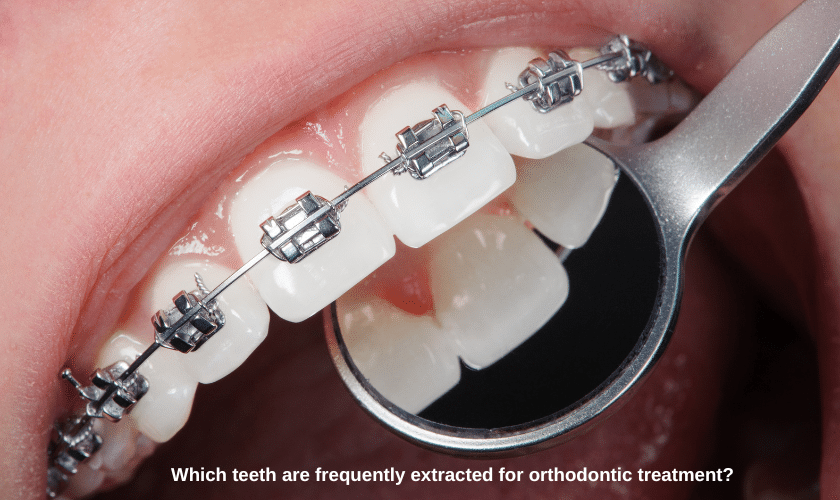
Orthodontic treatment is used to correct misaligned teeth or jaws to improve a person’s appearance, oral health, and overall dental health. As part of orthodontic treatment, some patients may require the extraction of certain teeth for the orthodontist to achieve their desired results. This article will discuss which teeth are frequently extracted for orthodontic treatment and what kind of impact this can have on your overall dental health.
The Most Commonly Extracted Teeth
Molars
The most common teeth that orthodontists extract are the molars. This is because molars typically have a larger surface area than other teeth, meaning there is more room for orthodontic adjustments. In some cases, orthodontists may extract the premolars to make room for the molars. Extracting the molars can also reduce crowding in the mouth and allow orthodontists to achieve their desired results in less time.
Bicuspids
Bicuspids are also commonly extracted when orthodontic treatment is performed. These teeth are located between the incisors and molars and are often removed to create room for orthodontic adjustments. Bicuspids can also be extracted as part of orthognathic surgery, which is used to correct severe misalignment of the jaw and teeth.
Incisors
Although not as common as molars or bicuspids, orthodontists may sometimes extract incisors during orthodontic treatment. This is typically done to reduce mouth overcrowding or improve a patient’s smile.
Pros and Cons of Tooth Extraction
Pros
Tooth extraction can have several benefits for those undergoing orthodontic treatment, including relieving overcrowding, improving orthodontic results, and reducing the amount of time required for orthodontic adjustments. Tooth extraction can also help improve a person’s smile by providing more room for orthodontists to adjust.
Cons
While tooth extraction may be beneficial in some cases, this procedure has potential risks. These include pain, bleeding, infection, and damage to adjacent teeth or gums. It is essential to discuss these potential risks with your dentist before deciding if a tooth extraction is right for you.
Alternatives
In some cases, orthodontists can achieve their desired results without extracting any teeth. This includes law-realignment orthodontic treatment, which uses orthodontic devices to reposition the jaw instead of extracting teeth gradually. This option is usually reserved for more severe cases and can help patients avoid the risks associated with tooth extraction.
Conclusion: Tooth extraction is an essential component of orthodontic treatment, but it does come with some potential risks. It is essential to discuss these risks with your orthodontist before deciding if a tooth extraction is right for you. In some cases, alternatives such as jaw-realignment orthodontics may be a viable option that allows you to achieve your desired results without extracting any teeth.
FAQs:
What are the most commonly extracted teeth for orthodontic treatment?
The most common teeth extracted for orthodontic treatment are molars, bicuspids, and incisors.
Is tooth extraction painful?
Tooth extraction can be painful, although the extent of pain will vary depending on the individual patient. Your orthodontist will provide a local anesthetic to ensure you remain comfortable during the procedure.
Are there any alternatives to tooth extraction?
A3: In some cases, orthodontists may achieve their desired results without extracting any teeth. This includes jaw-realignment orthodontics, which uses orthodontic devices to reposition the jaw instead of removing teeth gradually.